Pixel 2 XL: Software Is King
After more than six years of using an iPhone, I had grown deeply weary of iOS—aesthetic fatigue of the highest order; I just couldn’t bring myself to love it anymore.
The newly released iPhone X had plenty of hype, but from a features standpoint it was a letdown. Fortunately, the Pixel 2 line launched around the same time, so I switched camps and threw myself into the arms of the Pixel 2 XL (hereafter 2XL). I got the 2XL at the beginning of the month and have barely put it down since, showing off its features in WeChat Moments at every turn. A friend said, “Stop gloating—with all that time you could have written an article.” Fair point. So, after a delay of one and a quarter weeks, this article exists.
Most reviews open with an unboxing report, persuading with pictures. But unboxing photos are everywhere online—one search and you’re drowning in them—and the 2XL is not the kind of phone whose screen images make you drool. So I’ll omit 600 photos here.
For an iPhone user switching to Android, the biggest headache is migrating all data and apps. The 2XL ships with a cable that lets you connect the two phones bottom-to-bottom and transfer iPhone data to the 2XL as a backup. The whole process took about 20 minutes—simple and brutally effective. Once migration finished, all the photos, music, videos, and apps from the old iPhone sat quietly waiting for my summons. Of course, since this isn’t Apple’s own hardware, Wi-Fi passwords and app states weren’t fully restored (my Google Authenticator, for example, had to be set up entirely from scratch).
Because the 2XL supports eSIM, I didn’t need to install my Project Fi SIM card at all. I simply signed into my Google account on the 2XL and the phone connected to the network automatically—calls, texts, everything worked; the old card could go straight in the trash. The 2XL also has a physical SIM slot, so I can keep my Chinese carrier’s card in it—but alas, the 2XL is hell-bent on defying the dual-SIM trend. Even though it is dual-SIM ready in both software and hardware, it stubbornly allows only one active card at a time.
As I said earlier, the 2XL’s hardware and appearance are hardly stunning—you could even say they’re not particularly good-looking. Netizens joke that it has an “IKEA vibe.” The Pixel 2 released alongside it is enough to make you weep: the whole phone looks basically the same as the previous generation. When a colleague put two generations of Pixel side by side in front of me, I honestly couldn’t tell them apart. The 2XL is a bit more modern—at least it has a full-screen display^almost^.
Compared with the iPhone X, which arrived at almost the same time, the 2XL is a full size larger, yet its screen is actually about the same size as the iPhone X’s. It looks big but doesn’t feel big in use—bulky without benefit, enough to make you beat your chest in frustration. As for screen color and sheer good looks, the two are worlds apart—roughly the difference between Wuyan and Xizi. And yet Google dared to slap an $849 starting price on hardware like this; it really makes you wonder where the company gets its confidence.
That was my first impression of the 2XL.
Now let me talk about my impression after two weeks of use.
With Android 8 running on the 2XL, my first impression was speed—silky smooth. After more than two weeks, I have yet to experience any of the legendary lag. It’s just one word: fast, fast, fast, fast! Especially the camera: it’s always ready on demand. Not once have I missed a candid shot because the camera app took too long to launch.
Speaking of photography, the 2XL’s single camera earned a top score of 100 in reviews—genuinely impressive. By default, the 2XL takes photos in Motion Picture mode, meaning it actually captures a very short silent video. iPhones have had a similar feature, but the 2XL uses powerful algorithms to combine frames into a stunning composite image. Last Friday morning was drizzling, and the Caltrain had stalled in Redwood City because a thirty-year-old motor had gone on strike. I casually swung my phone toward the window and snapped this:

Photo performance is impressive; video is enough to make you gasp in admiration. Forget everything else—its stabilization while moving alone is enough to crush every phone on the market. I ran alongside my little girl, filming as I ran, and the resulting video shows almost no shake. First-rate.
In the second half of the mobile internet, content is king. Through photos and videos, we generate enormous amounts of content every day. Over time, managing that content becomes a major problem. From last year to this one, my iPhone alone produced as many as forty thousand photos and videos. Roughly calculating, my family has kept between 150,000 and 200,000 photos and videos since 2007. Putting that much content in the cloud is no small expense—but what’s worse than the cost is this: when I need to find a particular photo, I can barely find it.
Google Photos steps up to solve this problem—and it does a decent job. First, with a wave of its hand, it lets you upload unlimited high-quality photos and videos, and for Pixel 2 users it’s completely free until 2021. In an age where we snap, snap, snap and shoot, shoot, shoot, and even 256GB isn’t enough, this is practically gospel for smartphone users. On the 2XL, photos and videos upload automatically over Wi-Fi and can then be deleted locally to save space (some recently accessed items are kept as cache). When you open the Photos app with a network connection, you can hardly tell which photos are in the cloud and which are local.
Once the files are in the cloud, Google uses its powerful machine-learning capabilities to categorize the photos.
First it extracts the faces of people appearing in photos, then clusters photos containing each face. The clustering accuracy is very high; I rarely have to intervene. All Google Photos asks me to do is name each face.
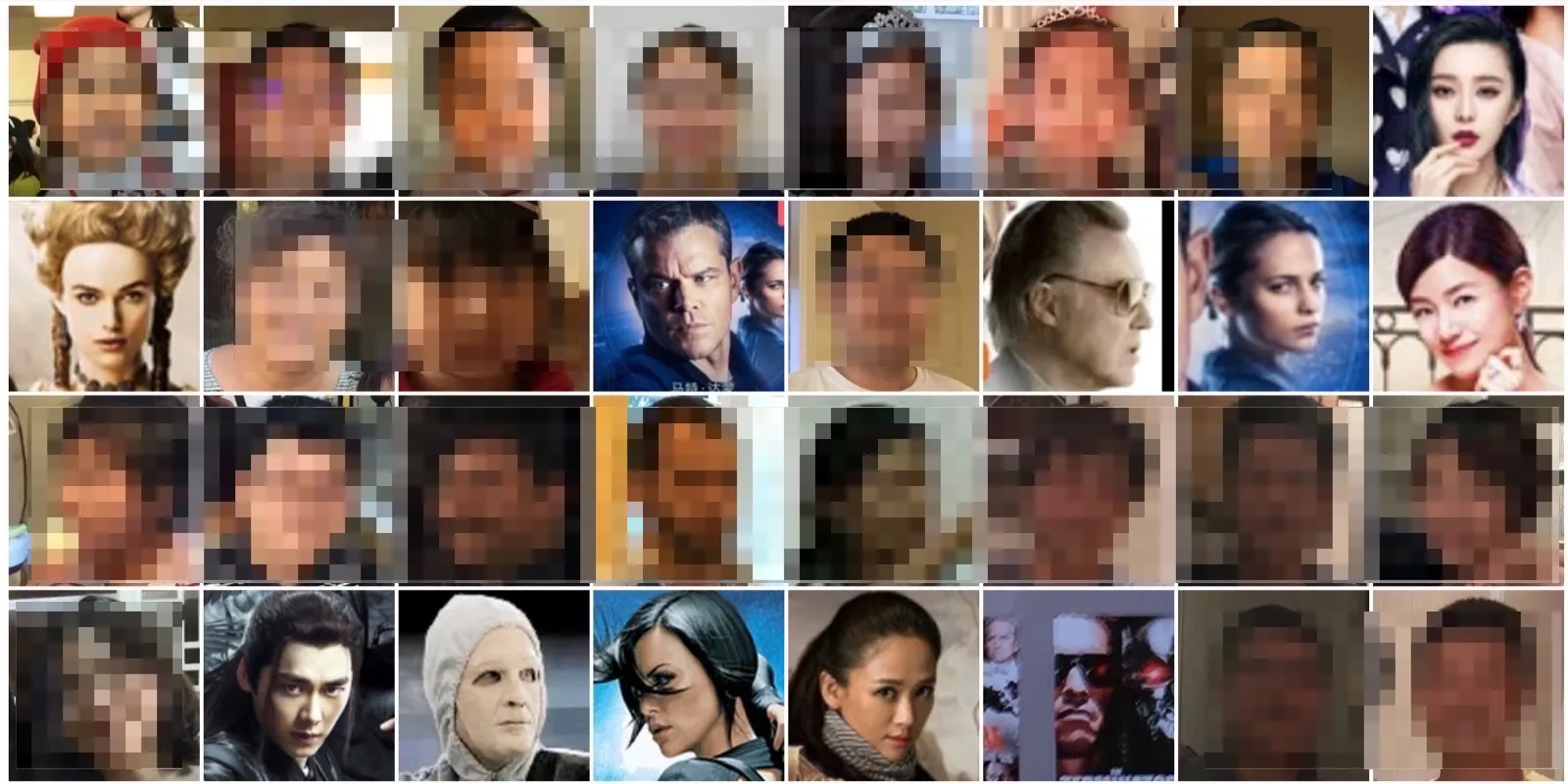
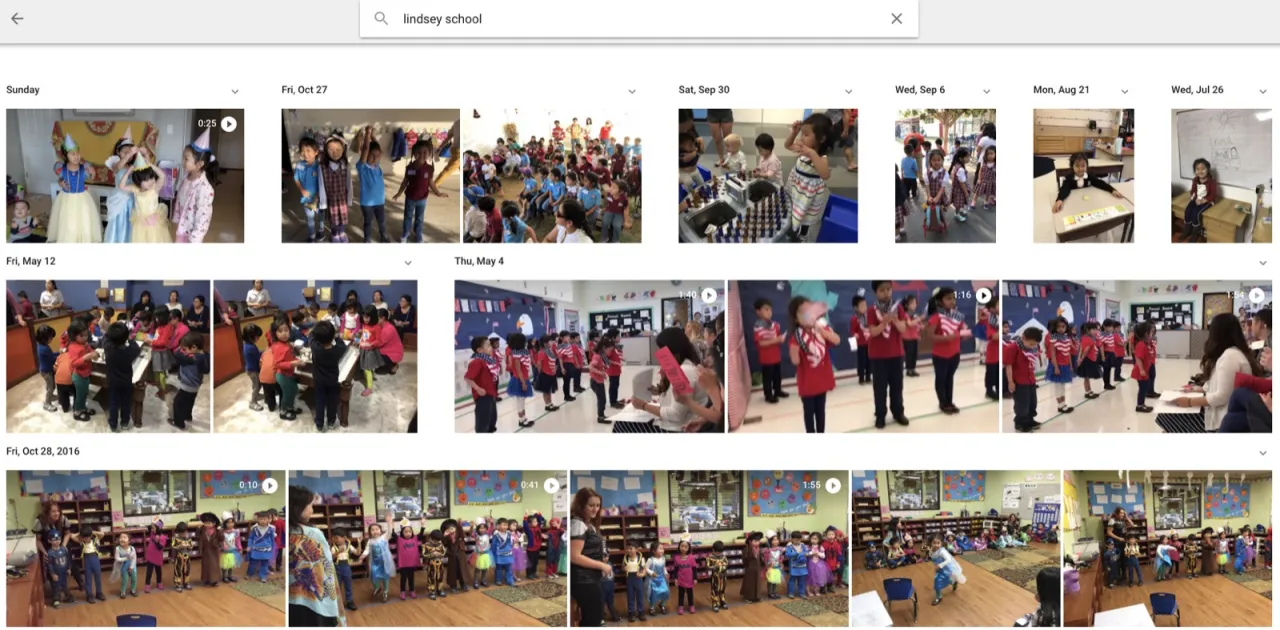
Now I can search photos by name. Add the geolocation embedded in the photos, and I can narrow the search by name plus place, covering 80% of my search needs. For example, when I want to find photos of my little one at school, I type “lindsey school,” and out of tens of thousands of photos the relevant ones pop up immediately. Very impressive.
On ordinary days, when we have nothing better to do, we organize photos—sorting, filing, and placing them into different albums. But as photos pile up into a massive collection, no amount of leisure can keep up with an endless stream of images. Google Photos automatically categorizes and names photos in the cloud and prompts us to create albums. For us, most of the time all we need to do is click “save” to keep the album. In addition, the bots in Google Photos’ cloud pick suitable photos to generate collages, GIF animations, videos, and image enhancements. All we have to do is click save if we like the result. Through these saving actions, Google Photos understands you better and better.
Two years ago I went to Seattle and took a photo from the Space Needle with an iPhone 6 Plus. Google Photos wasn’t quite satisfied with it, so it picked it out and automatically enhanced it for me—suddenly it had a professional sheen:

Here’s the original for comparison:

The key point is that I don’t have to do a thing. No Photoshop, no Meitu, no racking my brain over which image is worth editing.
Another piece of black magic in the 2XL is Google Lens. Open any photo in Google Photos, and you can analyze it with Google Lens. Powered by a formidable deep-learning engine, Google Lens can accurately identify landmarks, plants, animals, and more. Let the pictures speak:
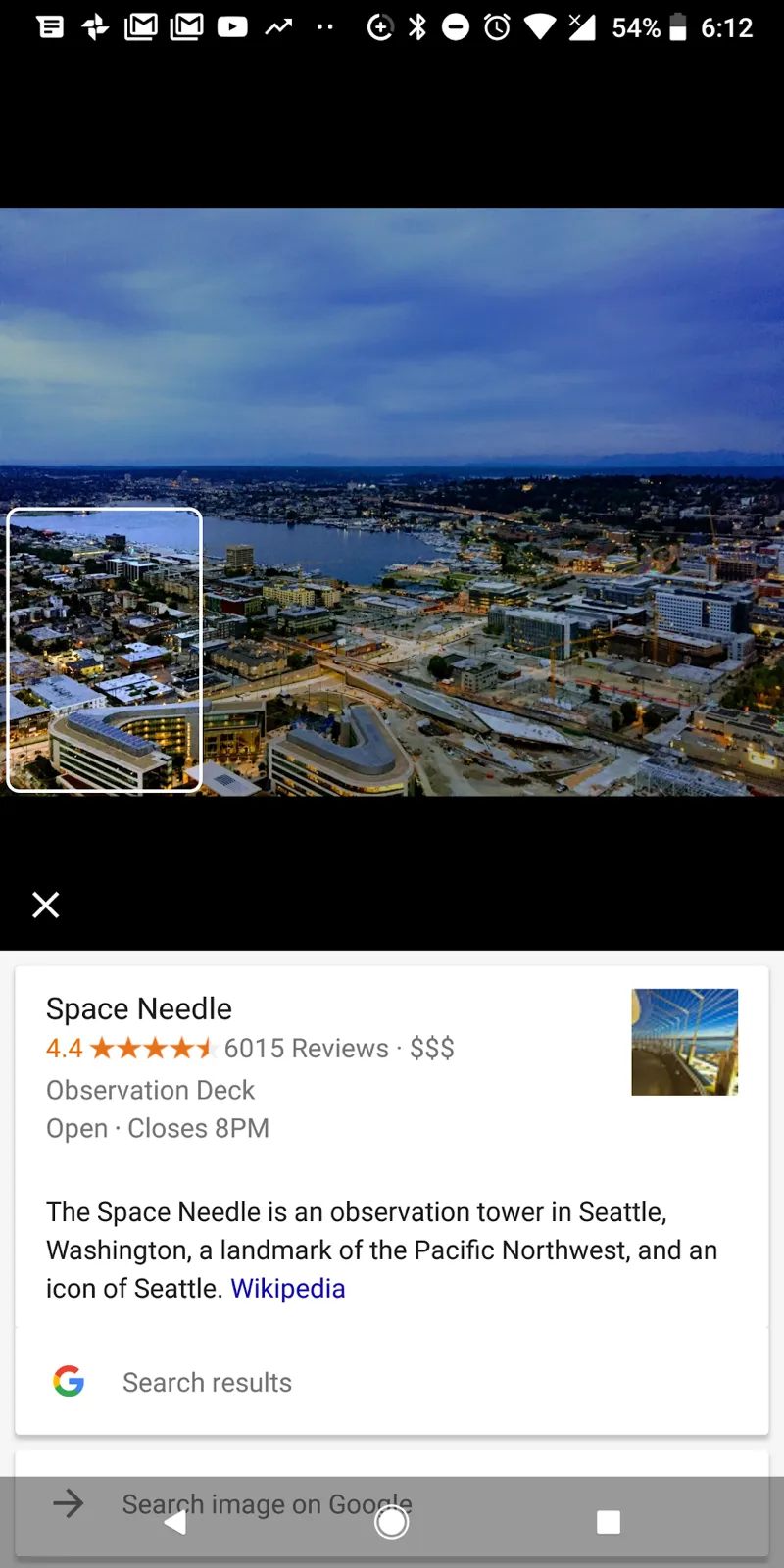
(It’s the same image as above—and it actually knows I shot it from the Space Needle.)
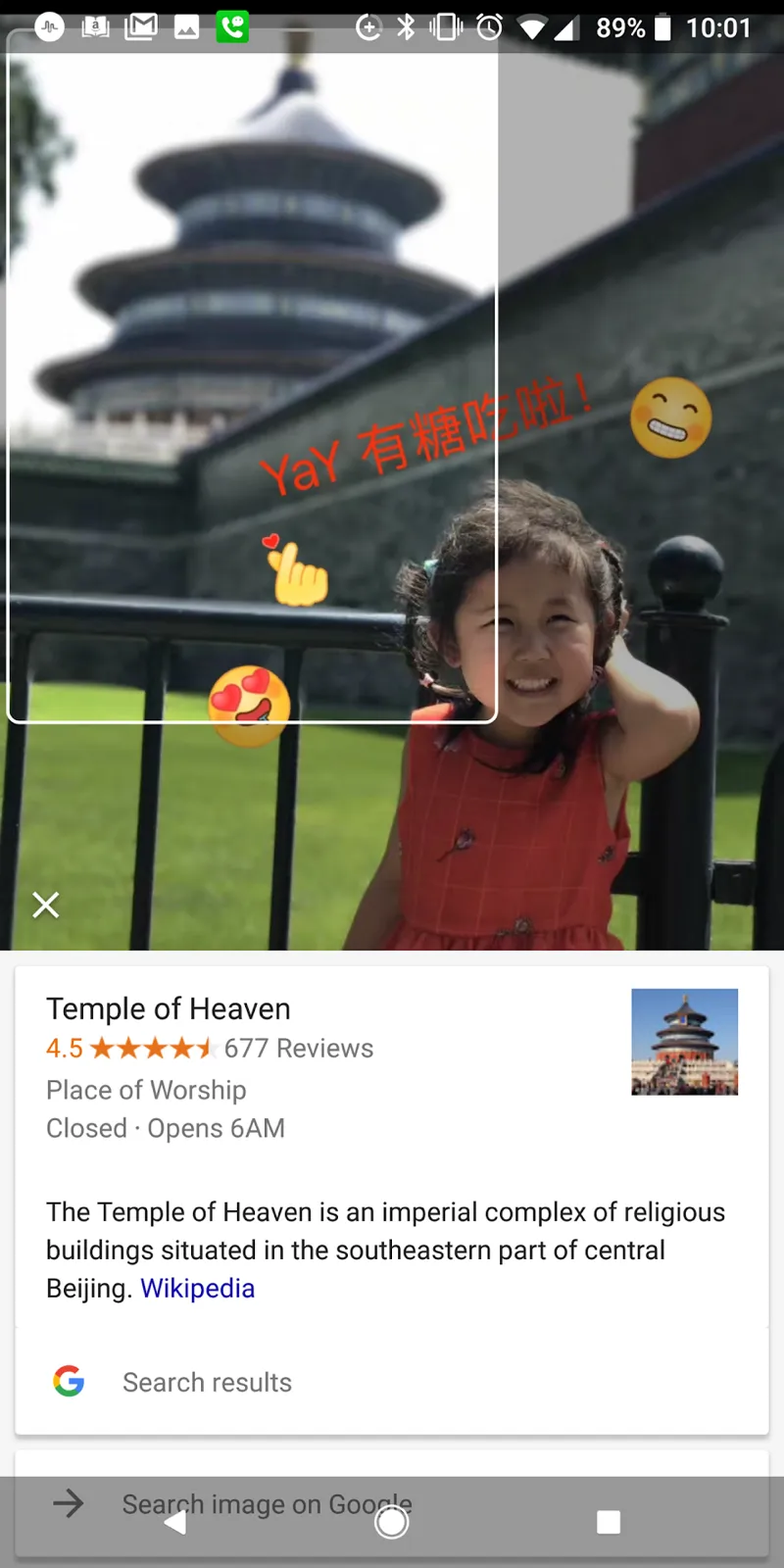
(Blurry background, stray text, and it still identifies things accurately. I chose this image because its EXIF data was lost after editing, which shows Google is learning entirely from the image itself rather than relying on photo metadata.)

(A stray python sneaks in, and it’s correctly identified, too.)
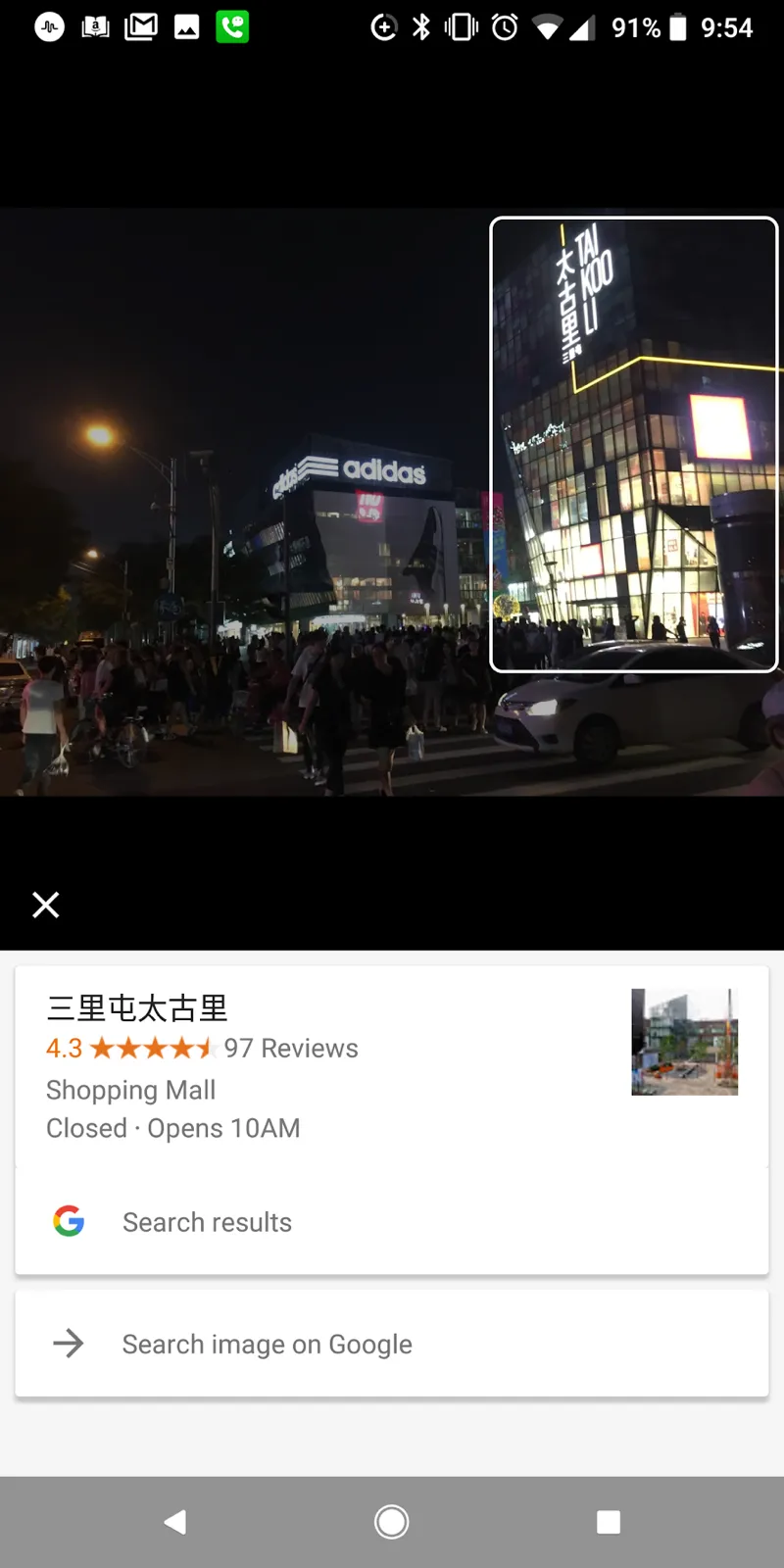
(It recognizes text in the image that isn’t exactly standard.)
Having covered photos, let’s talk about sound. If the camera is the 2XL’s eye, used to discover and understand everything it sees, then the microphone is its ear, used to discover and understand everything it hears. How many times have we encountered a lovely tune in a shopping mall, wanted to claim it for ourselves, and had no way to do so? That state of “unattainable longing” is truly maddening. Now it’s easy: we just squeeze the 2XL, and the Google Assistant pops up, awaiting its master’s command. No need for small talk—just ask, “what’s this song.” It listens quietly for a moment, then tells you the name of the song and how to get it:

It’s that understated—and yet earth-shattering.
In addition, the Pixel 2 launch event introduced AI-powered simultaneous interpretation. I didn’t buy its earbuds, so I won’t comment on that here.
Finally, allow me a brief reflection.
Organize the world’s information and make it universally accessible and useful.
This has been Google’s consistent mission.
Every move Google makes advances this direction. Giving users unlimited Google Photos storage works because, in the content-is-king second half of the mobile internet, images and videos are the main source of content. Whoever controls the source of content controls the future in that direction. In fields like machine learning and AI, the amount of data is decisive: an order of magnitude more data can basically yield an order of magnitude better processing results. For users, the incentives to keep generating content are: 1) I don’t have to worry about how cheaply the content can be stored; 2) the content I generate will be easy to find later; 3) the content I generate needs little processing to look professional. Google Photos cleverly solves these user pain points, making users happy to create and supply content. And once Google gets this massive content, it continuously trains its machine-learning engines, making itself increasingly intelligent in the field of organizing information, steadily widening the gap with the runner-up—undefeated and without a rival.
Moreover, collecting and storing user data on this scale places higher demands on infrastructure. We’re not talking about a few GB or tens of GB per user—photos and videos can easily reach terabytes. Terabyte-scale data per person times a potential user base in the billions (1G being roughly one billion people) multiplies into an astronomical number. Storing it cheaply is a huge challenge. Someone may object: hasn’t Google already managed data at this scale? Not quite the same. Indexing everything on the web generates data backed by revenue; every terabyte has positive ROI. Storing users’ photos and videos, by contrast, is currently a loss-making business, so costs must be squeezed as hard as possible. The infrastructure requirements are therefore completely different. Google Photos’ move looks effortless, but like Gmail’s near-unlimited storage back in the day, it is a killer weapon planted for the future. The strategy kills three birds with one stone: it attracts users, strikes at competitors (“I’m showing my hand—are you in?”), and forces self-innovation, further improving the organization’s capabilities.
The same goes for Now Playing’s music recognition. While making things convenient for users, it continuously improves its engine’s learning ability. Recognizing meaning from sound is another thing that becomes more accurate with more data. One day, when Google can parse every frame of an image and understand every sound, it will become an extension of our brains, letting us live in a world that previously existed only in science fiction.
Of course, I know you’ll look up with a puzzled face and say: “Programmer, stop messing with me—it’s all 404.” Then you’ll glumly lower your head and go back to playing PUBG.